Printable Mazes for Kids by Age
The trick to a maze a child actually finishes is matching the difficulty to their age. A maze that is too hard gets abandoned; one that is too easy gets ignored. Below is a simple age-by-age guide — what to expect at each stage, which mazes fit, and a few free printables to start with. Every maze is free, solvable, and comes with its solution.
Preschool (ages 3–4)
Short attention span and a still-developing pencil grip. At this age a maze is really tracing practice: a single wide path, a clear start and end, and few or no dead ends.
What to try: Our ready-made mazes are a little dense for this age. Use the Maze Maker on its easiest setting for a big, open path — or let them trace the solution image with a finger first.
Tip: Turn it into finger-tracing before pencil work; success matters more than the challenge.
Kindergarten (age 5)
Kids can follow a defined path and handle a few choices. Look for shorter solutions and simple, recognizable shapes so the picture keeps them motivated.
What to try: Start with our easiest shapes — a shark, a tractor plow, or a piece of fruit. Each has a shorter path and fewer wrong turns.
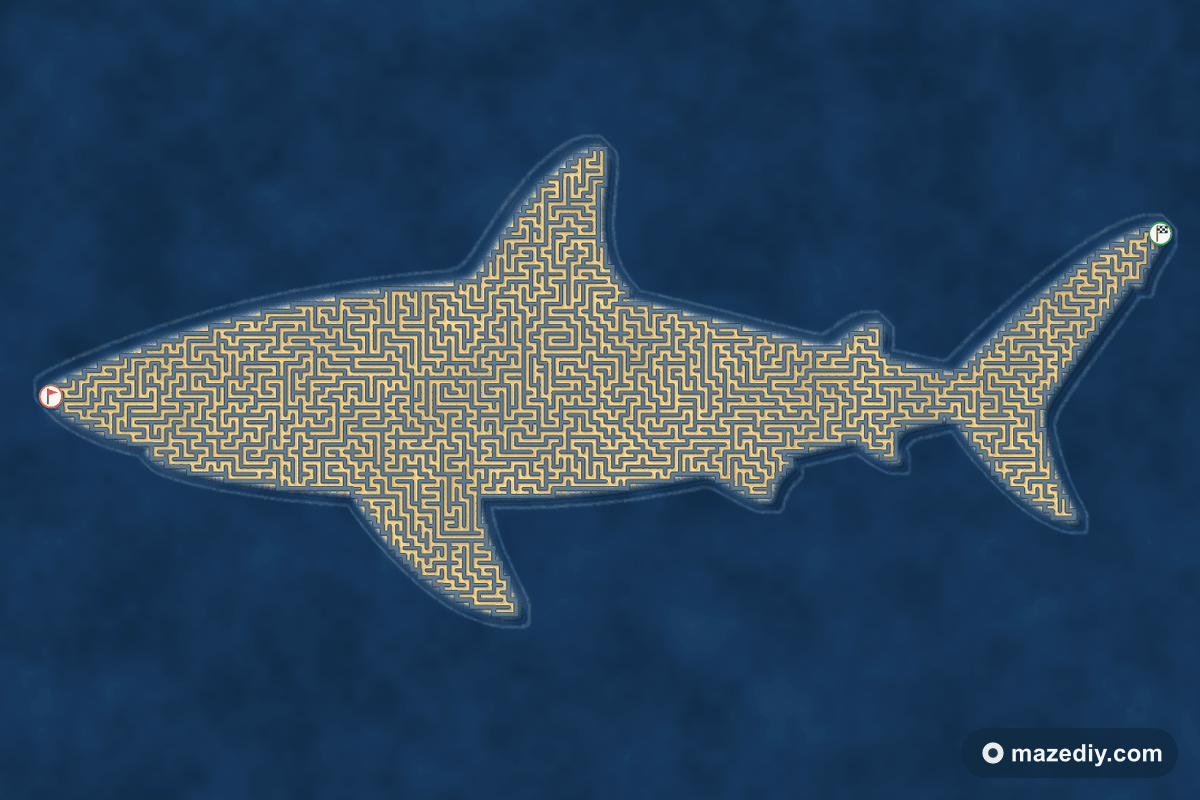
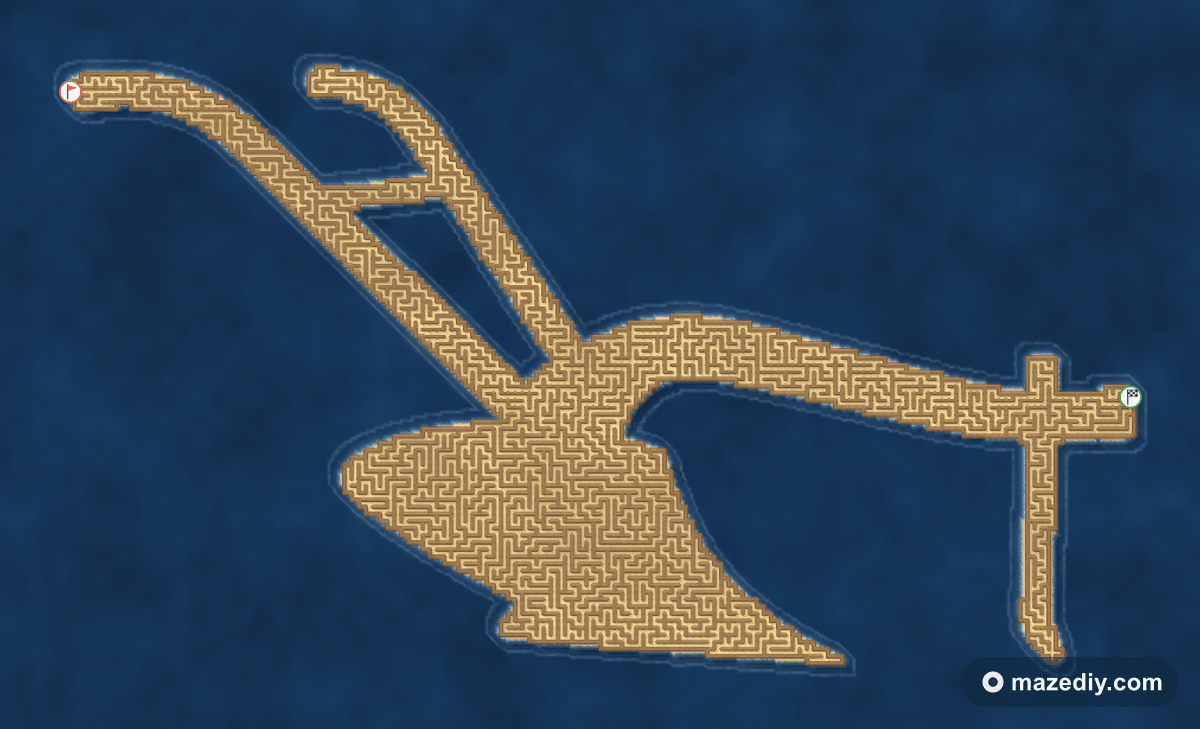
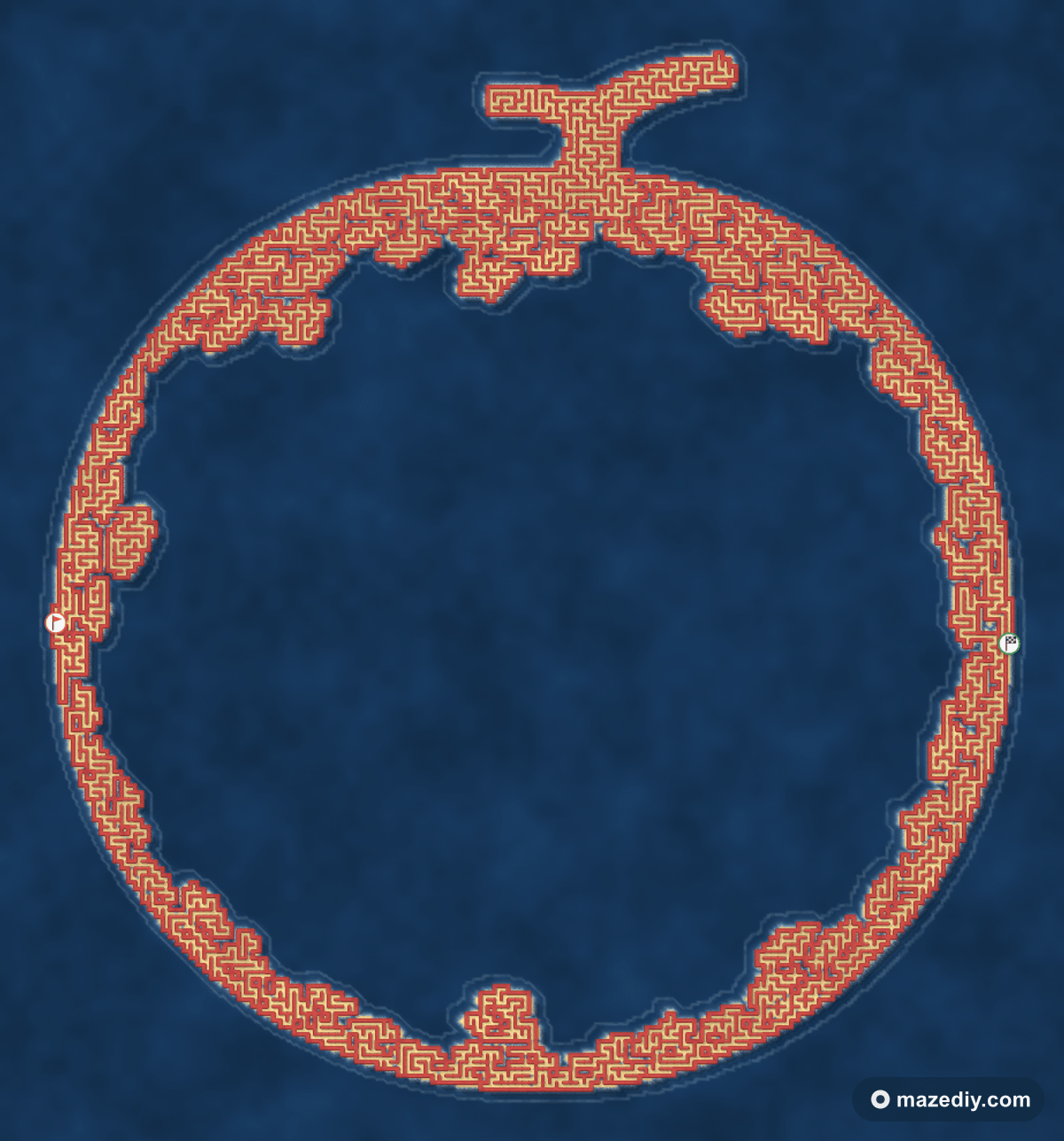
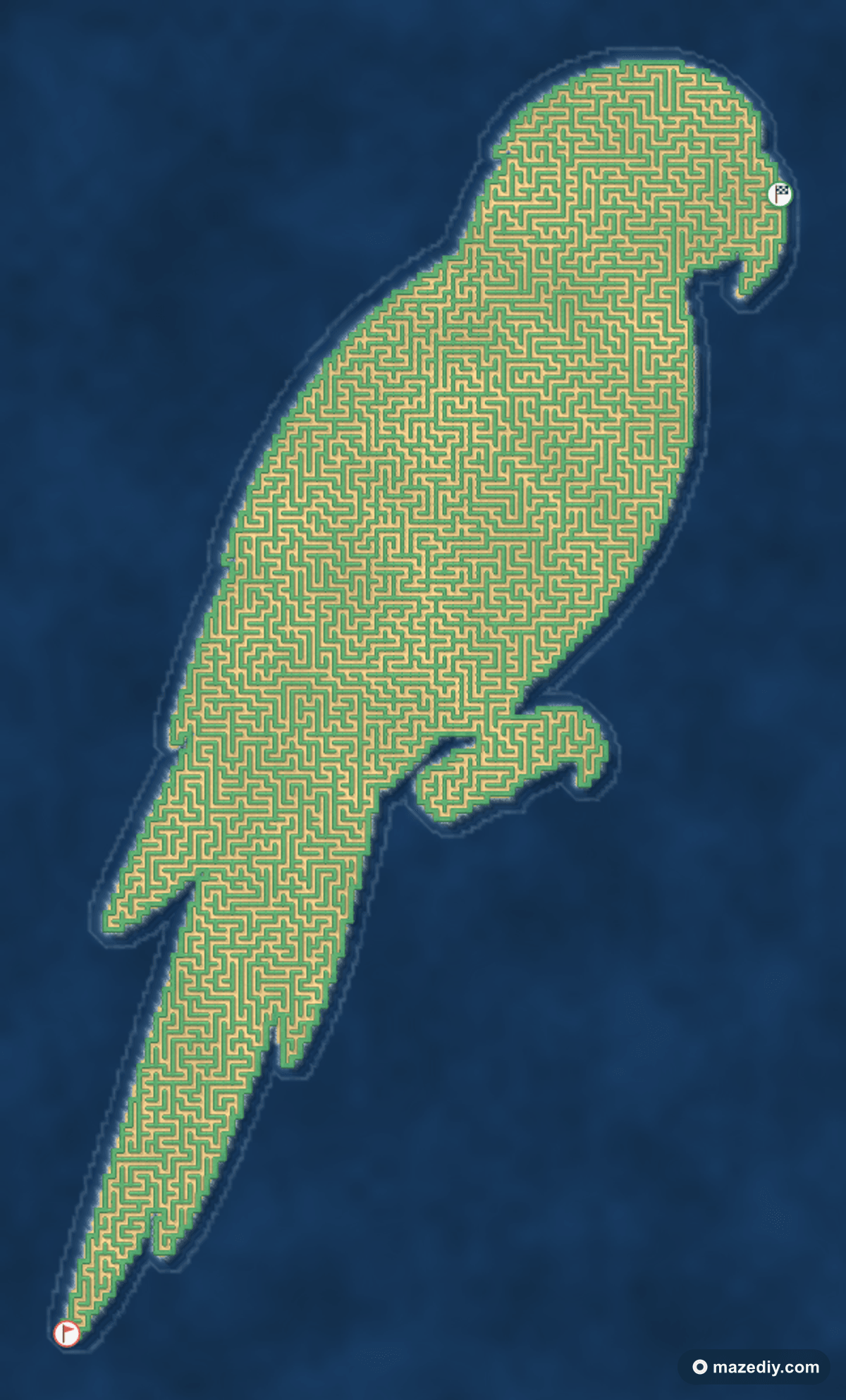
Tip: Print at 100% on A4 or Letter so the corridors stay wide enough for a crayon.
Early primary (ages 6–7)
Better planning and patience. Kids can hold a route in their head, backtrack from a dead end, and finish a medium maze in one sitting.
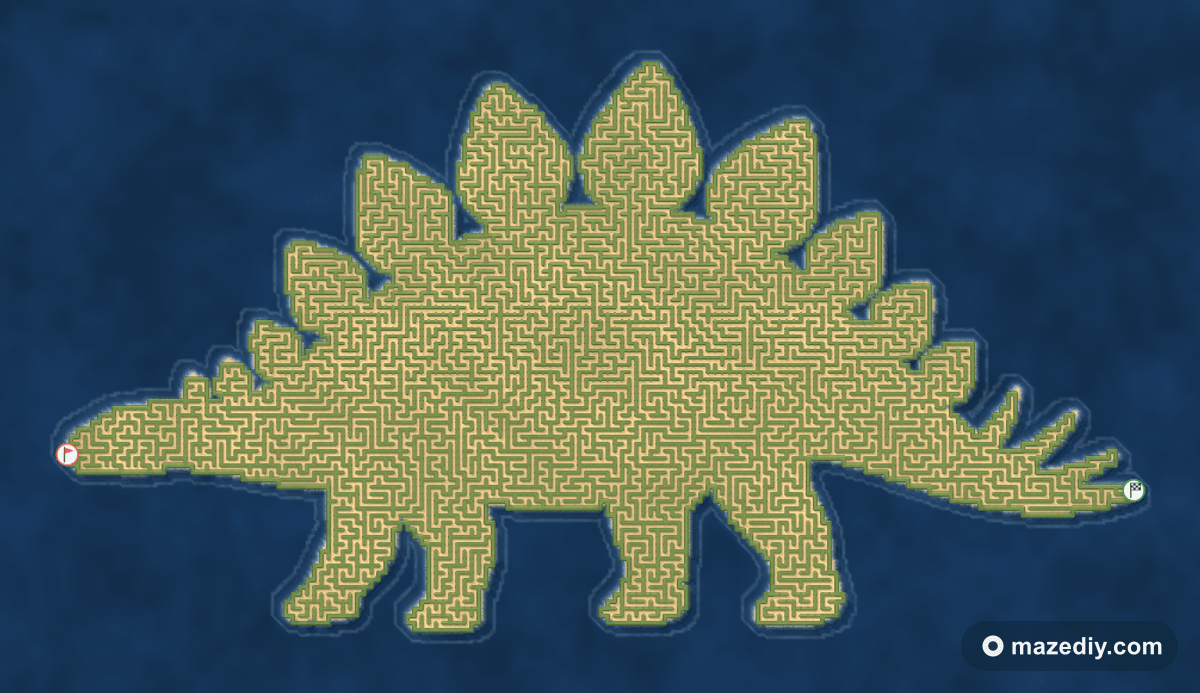
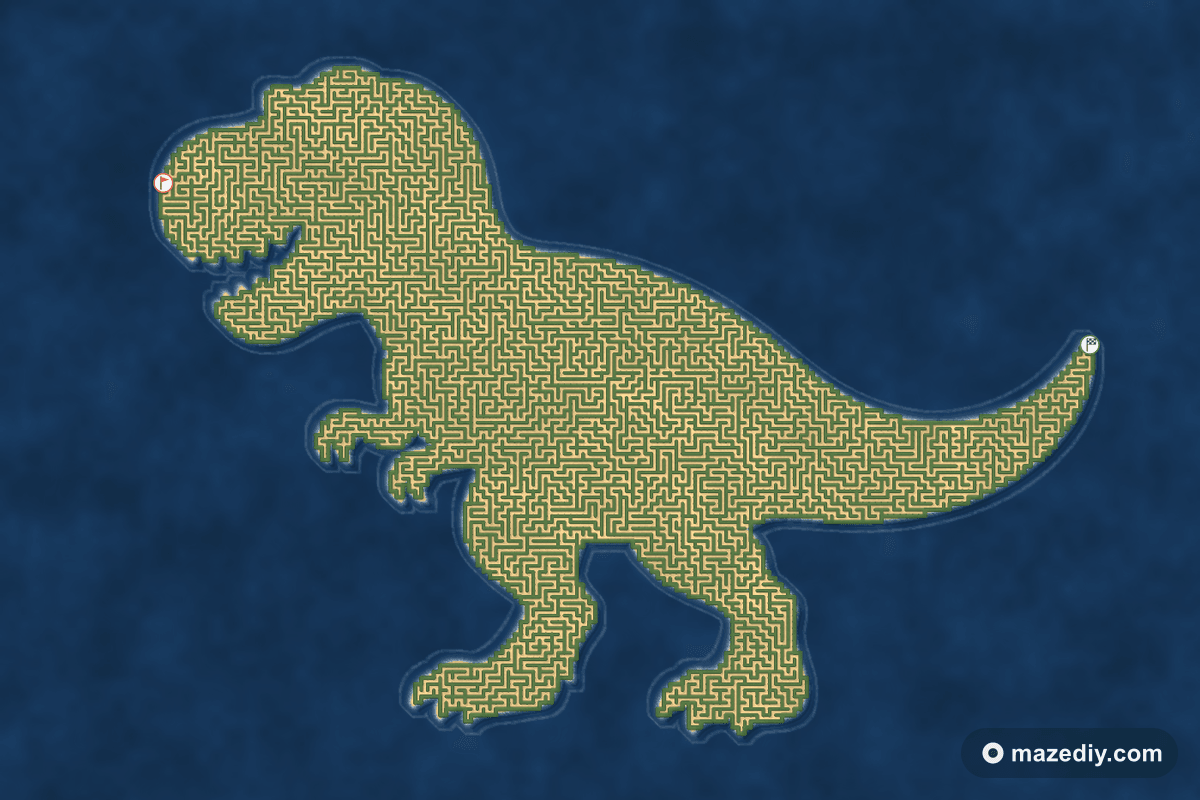
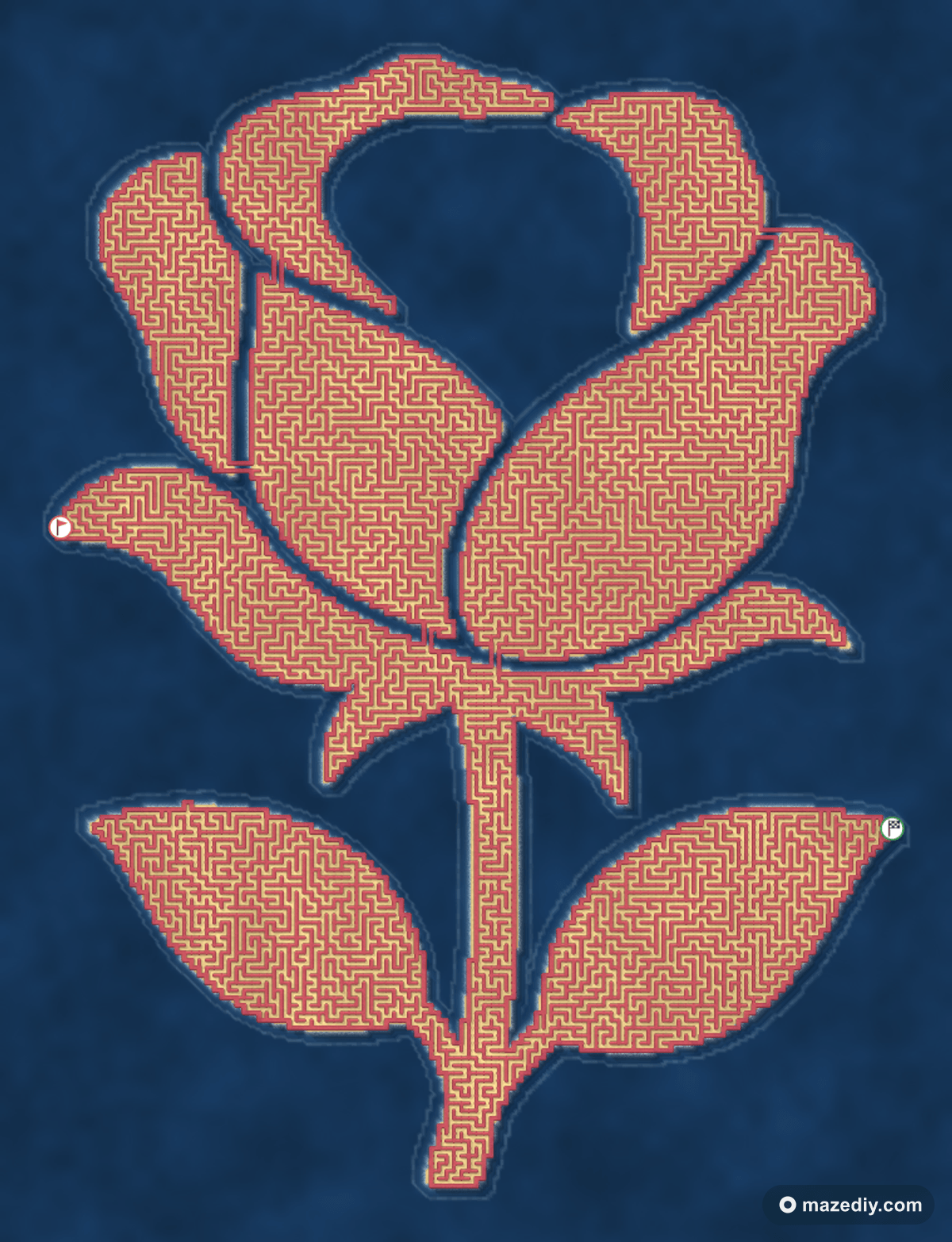
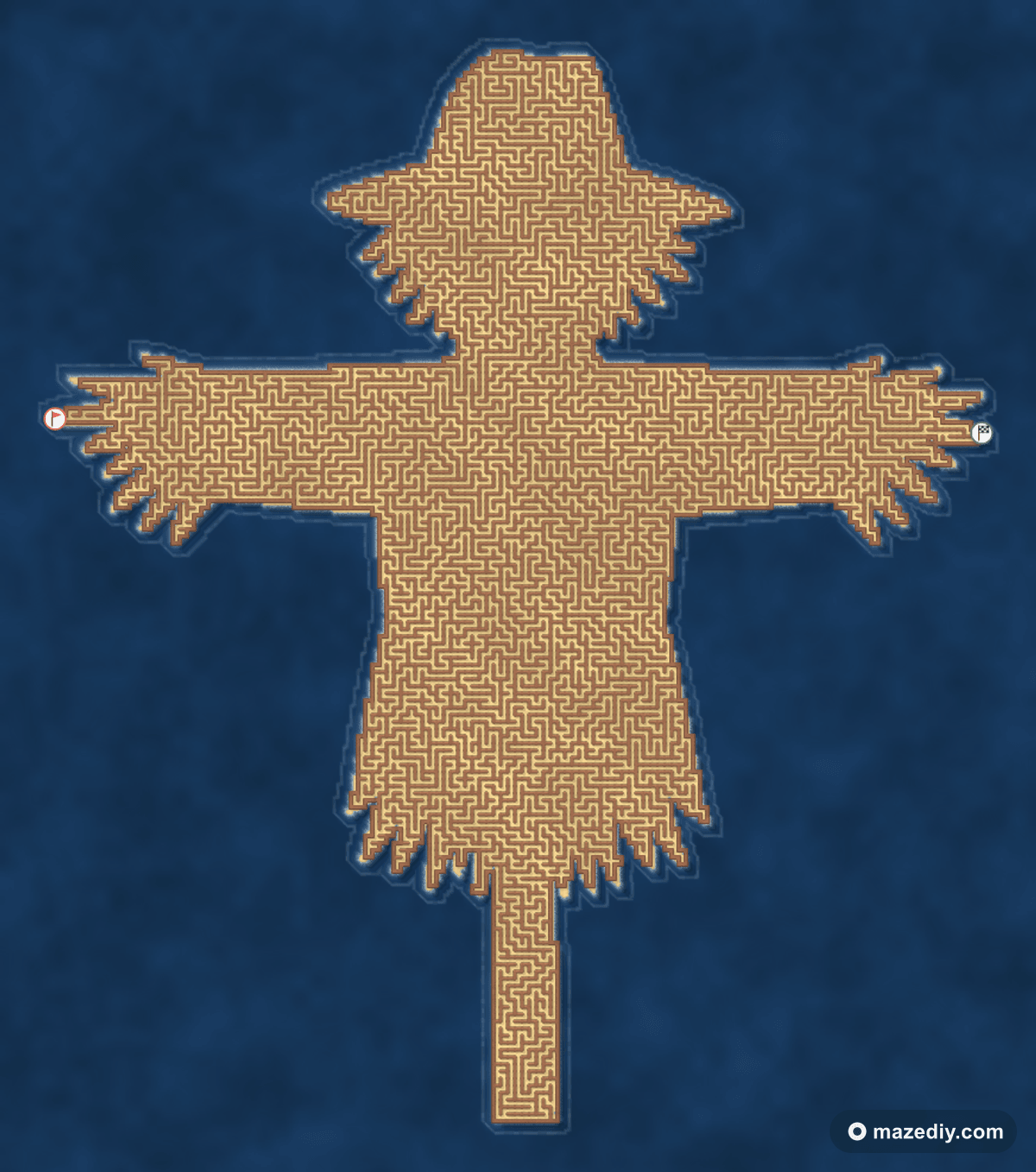
What to try: Medium mazes fit well here — a dinosaur, a rose, or a scarecrow. Longer paths and a handful of dead ends without being frustrating.
Tip: If they get stuck, cover the solution and let them find just the next section, not the whole path.
Upper primary (ages 8–10)
Real problem-solving. Kids enjoy a genuine challenge with many branches and dead ends, and take pride in beating a harder puzzle.
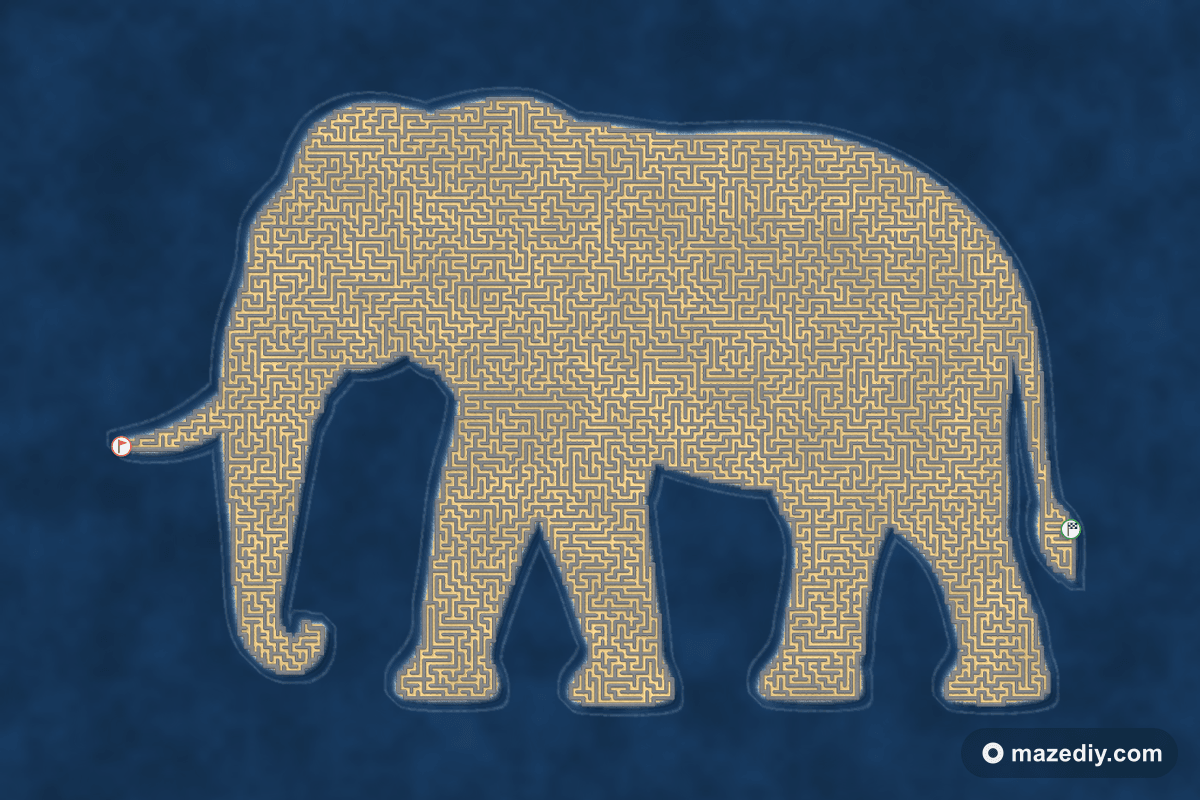
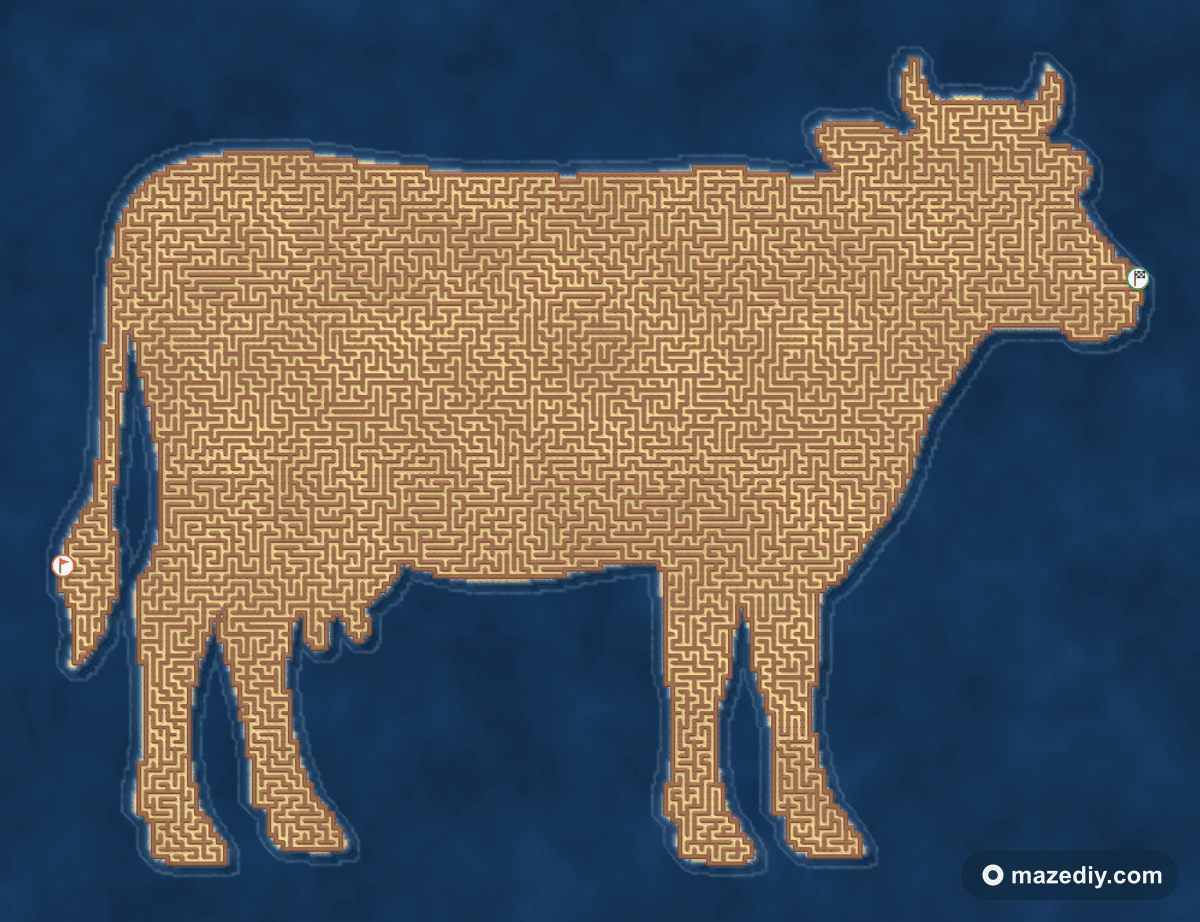
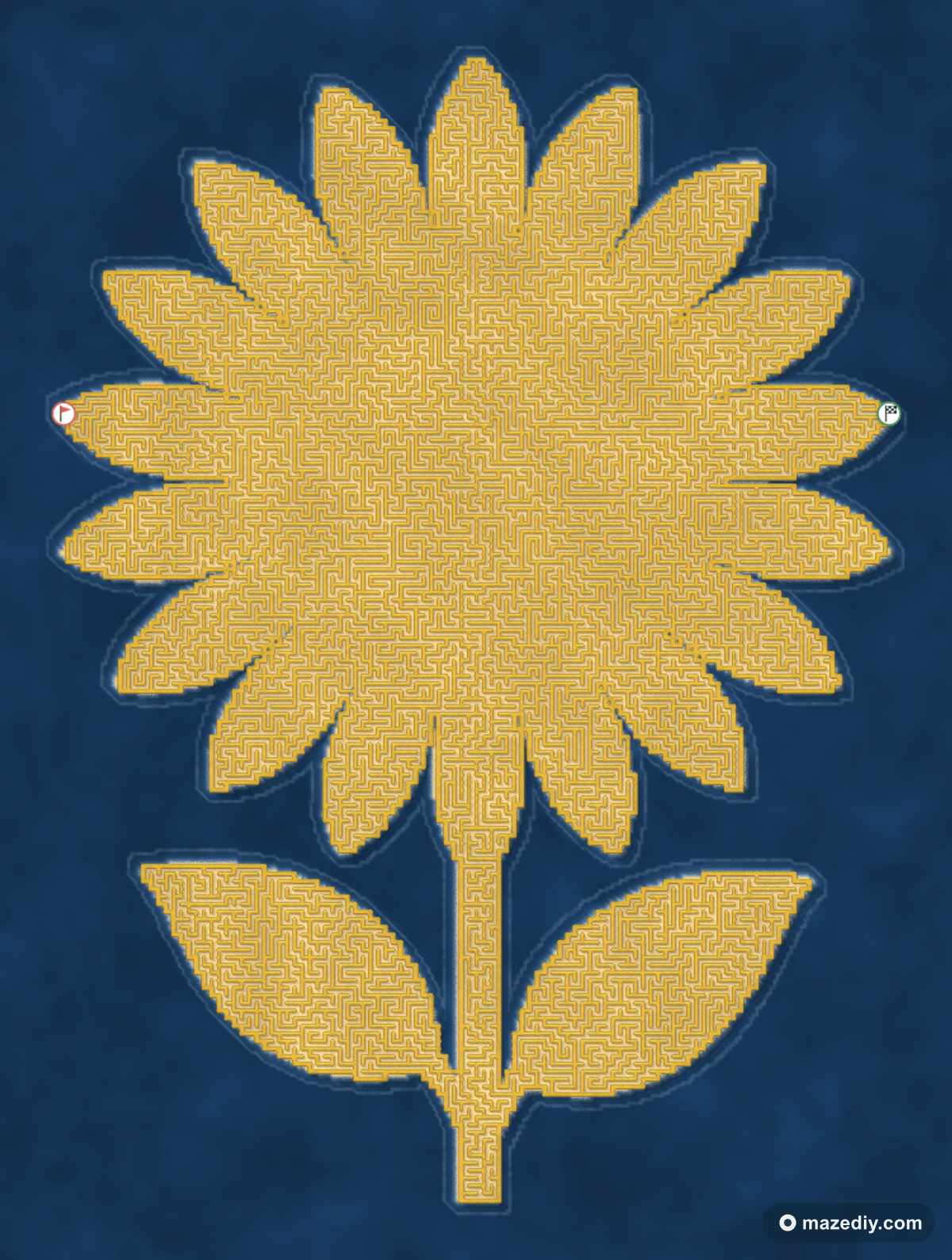
What to try: Hard mazes suit this age — an elephant, a cow, a sunflower. Bigger grids, longer solutions, more decisions.
Tip: Time them, then have them race their own best time on a second copy.
Tween (ages 11–12)
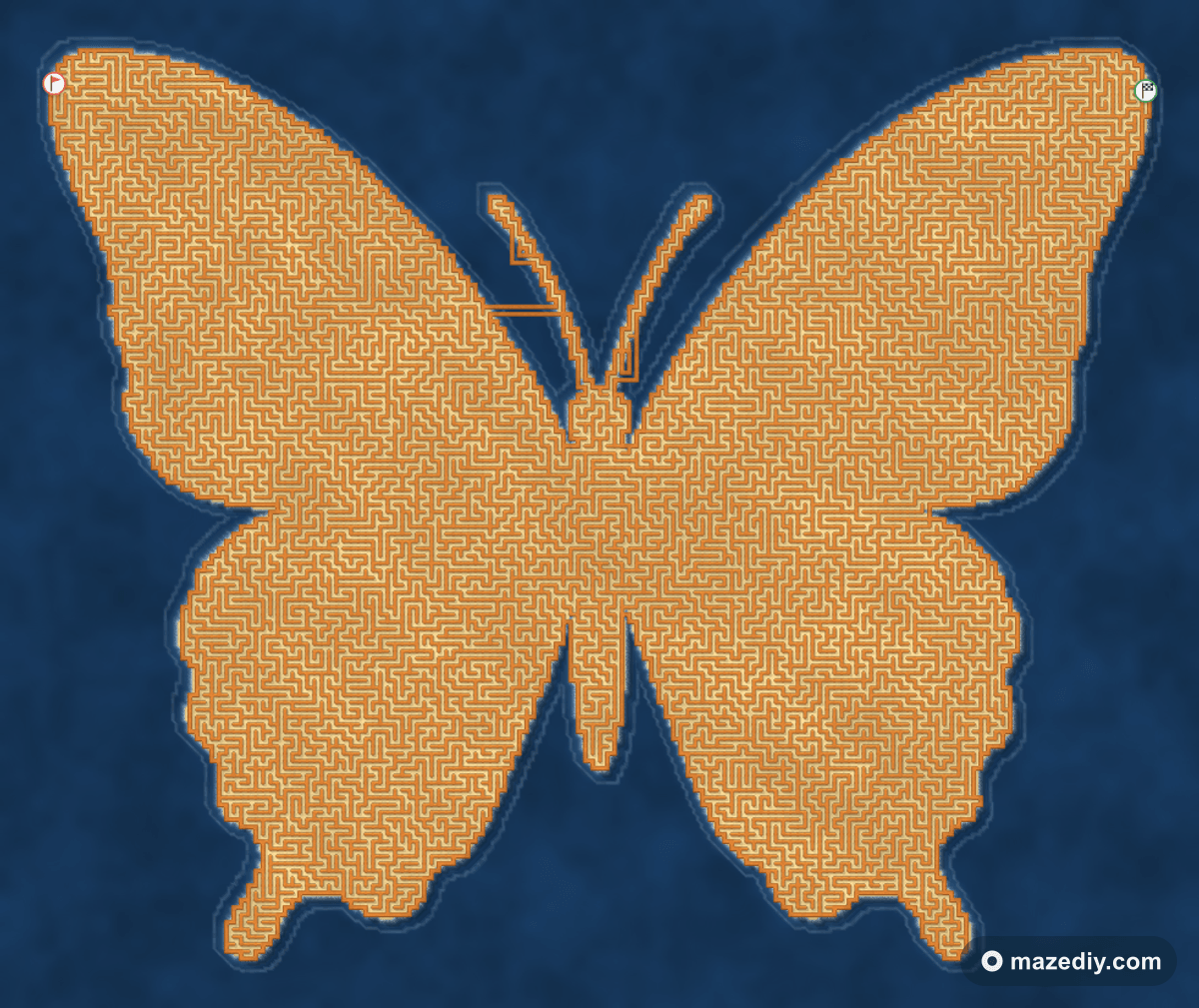
Ready for the hardest puzzles. Detailed shapes pack in the most corridors, so the fine-detail designs are the real test — a butterfly is tougher than it looks.
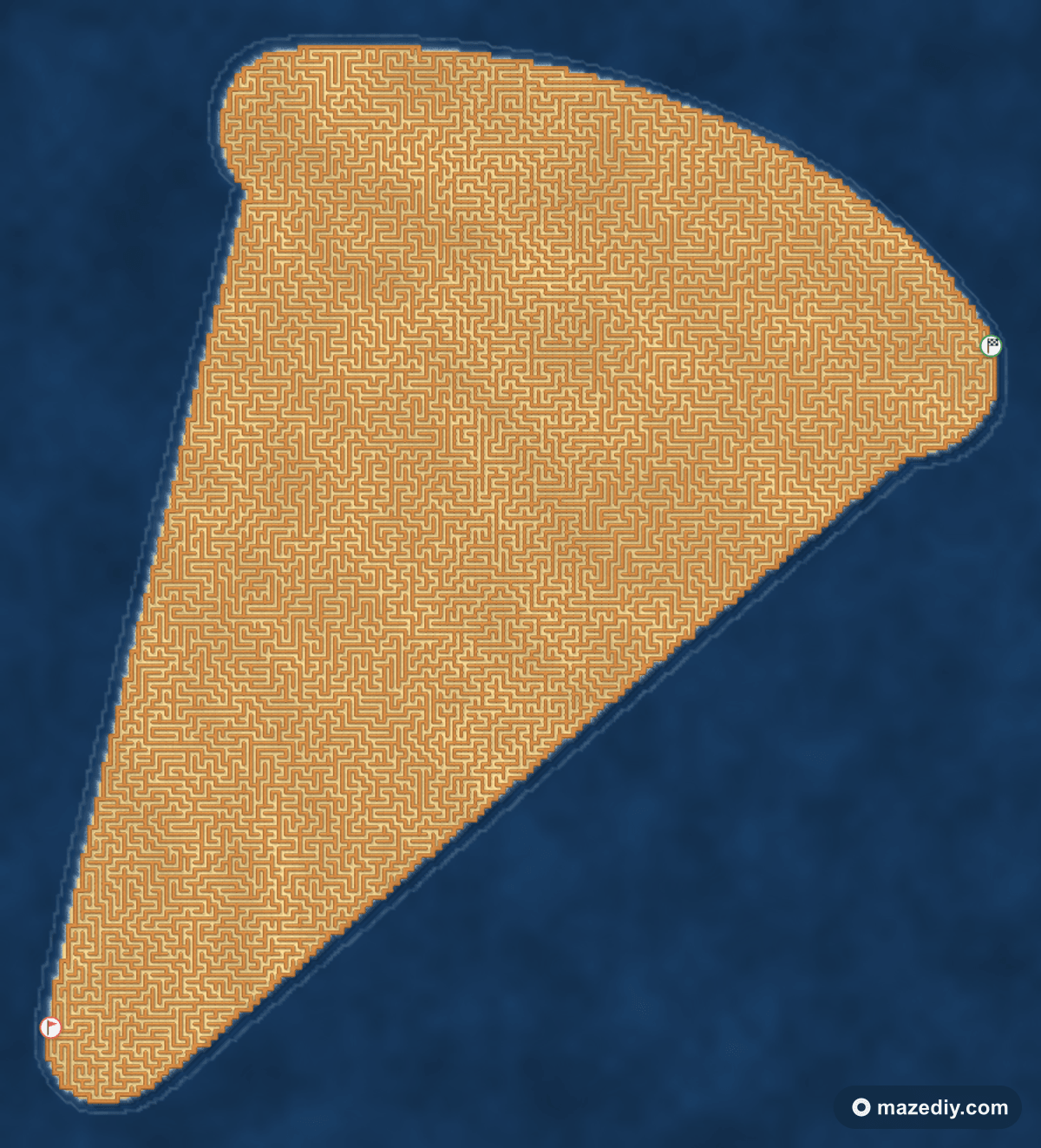
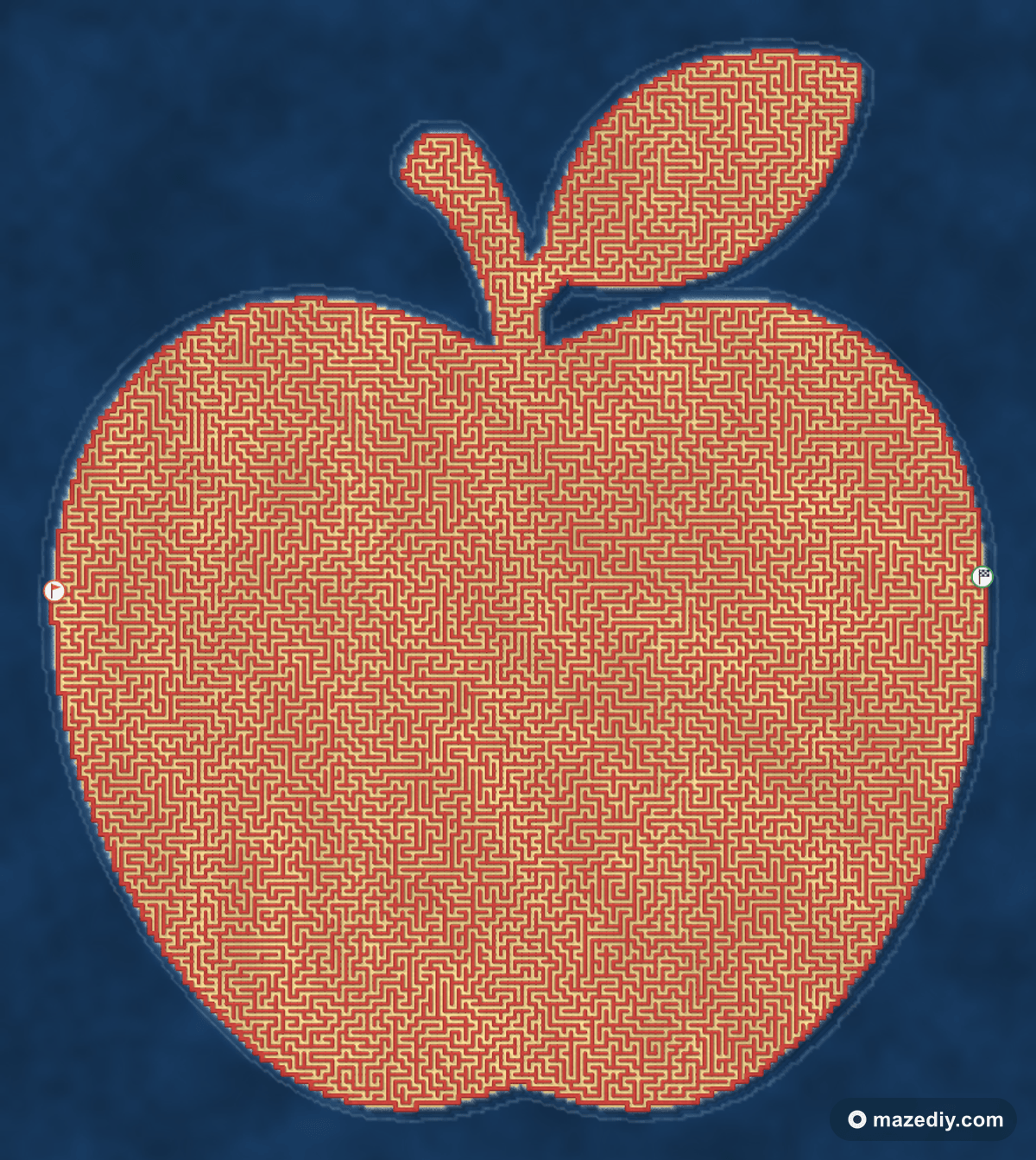
What to try: Expert mazes are the top challenge — a butterfly, a slice of pizza, an apple. Dense grids and long, winding solutions.
Tip: Every maze lists its grid size, solution length and dead-end count — pick the biggest numbers for the hardest run.
Why mazes are good for kids
Pencil control & fine motor
Staying inside the corridors is real handwriting practice — the same small, controlled movements kids need for letters and numbers.
Planning & problem-solving
Choosing a route, hitting a dead end, and backtracking is planning ahead and learning from a mistake, in a low-stakes way.
Focus & patience
Finishing a maze rewards sticking with one task — a quiet, screen-free way to build attention span.
Visual tracking
Following a winding path trains the left-to-right eye movement that also supports reading.
Frequently asked questions
What age are printable mazes good for?
From about age 3 (as finger-tracing) up through the tween years. The key is matching difficulty to the child: shorter, simpler mazes for ages 5–6, and larger, denser grids for ages 8 and up.
Are these mazes free to print?
Yes — every maze is free to view and print, with its solution included. No signup or email. Each page also shows the maze’s difficulty, recommended age, and estimated solve time.
How do I make a maze easier for a younger child?
Open the Maze Maker and lower the difficulty for a shorter path with fewer dead ends, or start by tracing the printed solution with a finger before using a pencil.
What size should I print them at?
A4 or US Letter at 100% scale (turn off “fit to page”) keeps the corridors an even, crayon-friendly width.
Make a maze at exactly the right level
Set the difficulty to match your child, or turn their name, photo, or favorite animal into a maze — free, no signup.